Da Brat | Black Music Month
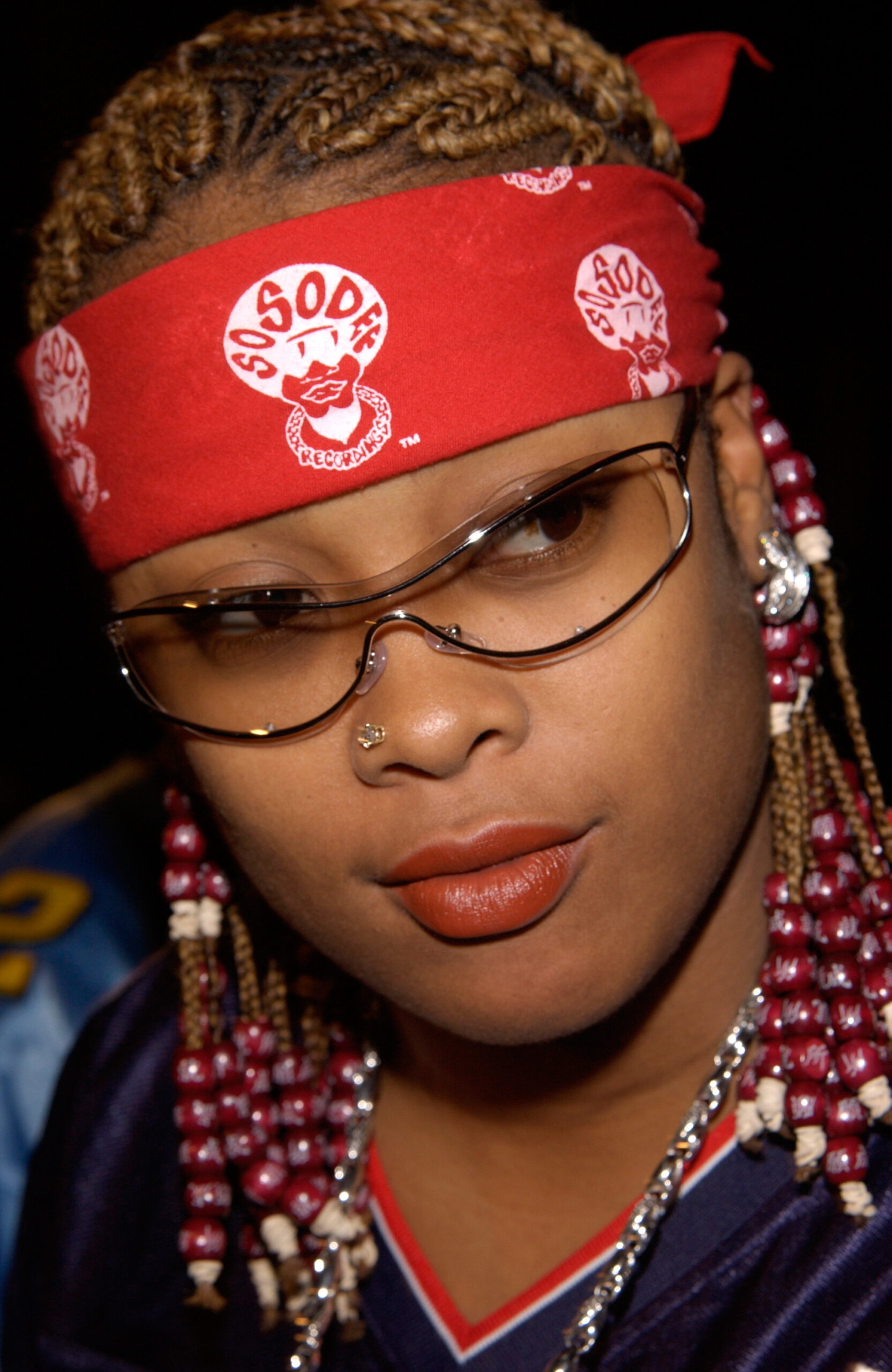
The history of Hip-Hop cannot be written without acknowledging the structural shifts of the mid-1990s. As the genre exploded into the mainstream, a fiercely talented, effortlessly cool artist from Chicago stepped up to rewrite the rules for women in rap. Shawntae Harris, universally known as Da Brat, didn’t just break through the glass ceiling—she shattered it with a platinum-selling sledgehammer.
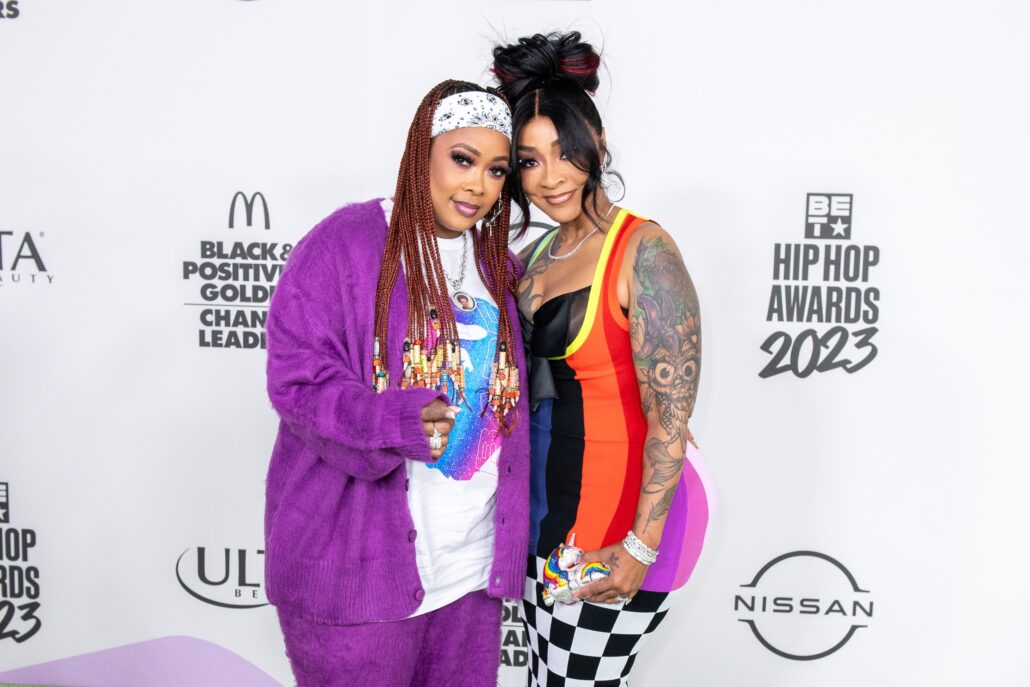
As we celebrate Pride Month, looking back at Da Brat’s trajectory offers more than a lesson in musical mastery; it is a profound study in personal evolution, the heavy cost of the closet in the entertainment industry, and the beautiful liberation of finally living one’s truth out loud.
Born on April 14, 1974, and raised on the West Side of Chicago, Shawntae Harris grew up in a split world of strict religious structure and urban creativity. Raised primarily by her mother and grandmother, she frequented Pentecostal churches where she channeled her natural musicality into playing the drums and singing in the choir. A natural multi-instrumentalist, Harris grew to play seven different instruments during her time at Kenwood Academy and the Academy of Scholastic Achievement. Yet, it was the burgeoning street culture of Hip-Hop that truly captured her imagination. She began writing her own rhymes, developing a rapid-fire, syncopated delivery that stood out heavily in a local scene dominated by male voices. Her moniker, “Da Brat,” was born from her status as an only child who was admittedly a bit spoiled, but it quickly transformed into a stage persona that radiated unyielding confidence.
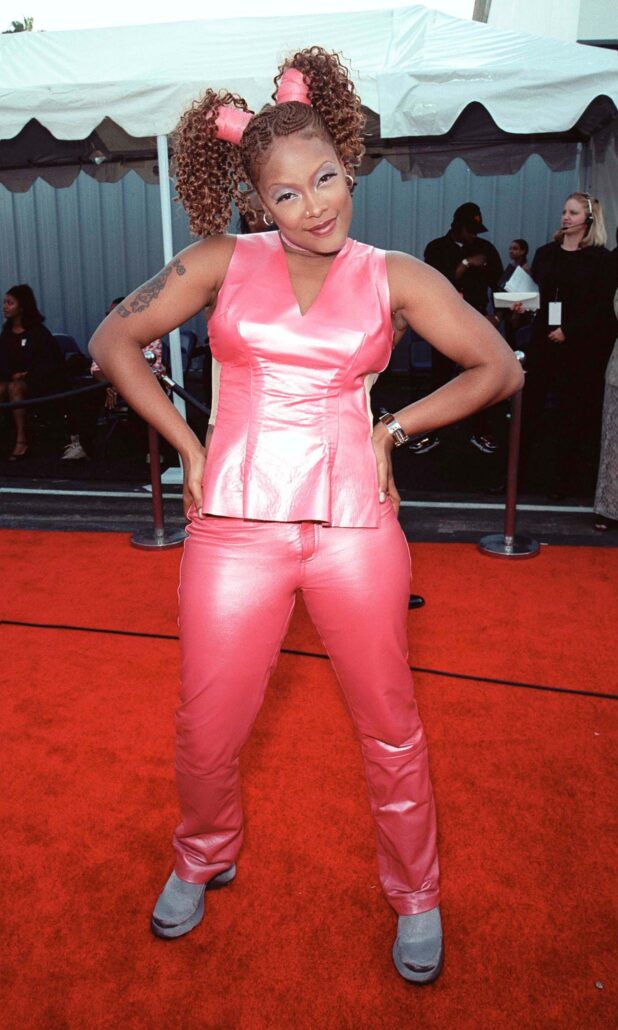
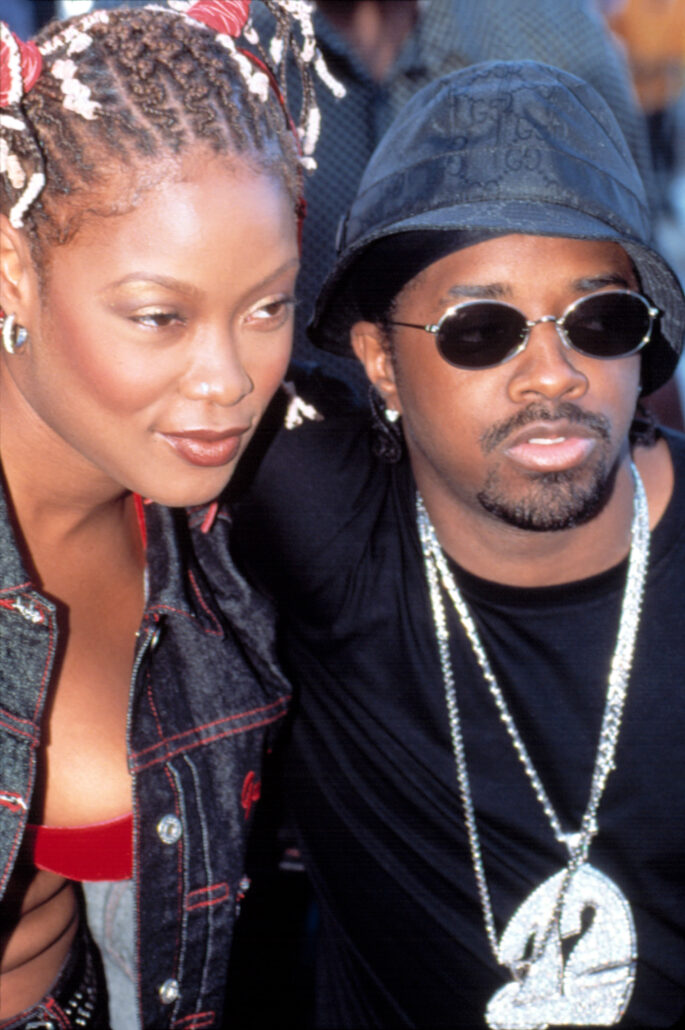
Da Brat’s seismic shift from local hopeful to national phenomenon occurred in 1992. She entered a local rap contest sponsored by the iconic television show Yo! MTV Raps. Her blistering flow and undeniable charisma won her the grand prize: a meeting with the young, chart-topping rap duo, Kris Kross. Impressed by her raw talent, Kris Kross introduced the teenager to their burgeoning visionary producer, Jermaine Dupri. Recognizing a star in the making, Dupri signed her to his newly formed label, So So Def Recordings. Dupri and Da Brat proved to be a match made in Hip-Hop heaven. Rather than trying to mold her into the hyper-sexualized image often pushed onto female creators at the time, Dupri embraced her tomboy style—oversized jerseys, baggy pants, and striking bandanas—allowing her lyricism to take center stage.
Da Brat’s style was heavily informed by a tapestry of lyrical giants. She drew inspiration from the pioneering bravado of MC Lyte, the slick storytelling of Slick Rick, and the smooth, funk-infused West Coast rhythms of Snoop Dogg. What set her apart was her ability to blend Midwestern urgency with Southern bounce and West Coast G-funk. Her cadence was incredibly versatile; she could ride a slow, soulful groove just as easily as she could execute a breathless, double-time verse. She proved that a female emcee could match—and often out-rhyme—her male counterparts without compromising her identity.
For nearly three decades, Da Brat kept her personal life fiercely guarded. In the 1990s and 2000s, the Hip-Hop landscape was plagued by rampant homophobia and rigid gender expectations. For a Black woman in rap, coming out was widely regarded as absolute career suicide.
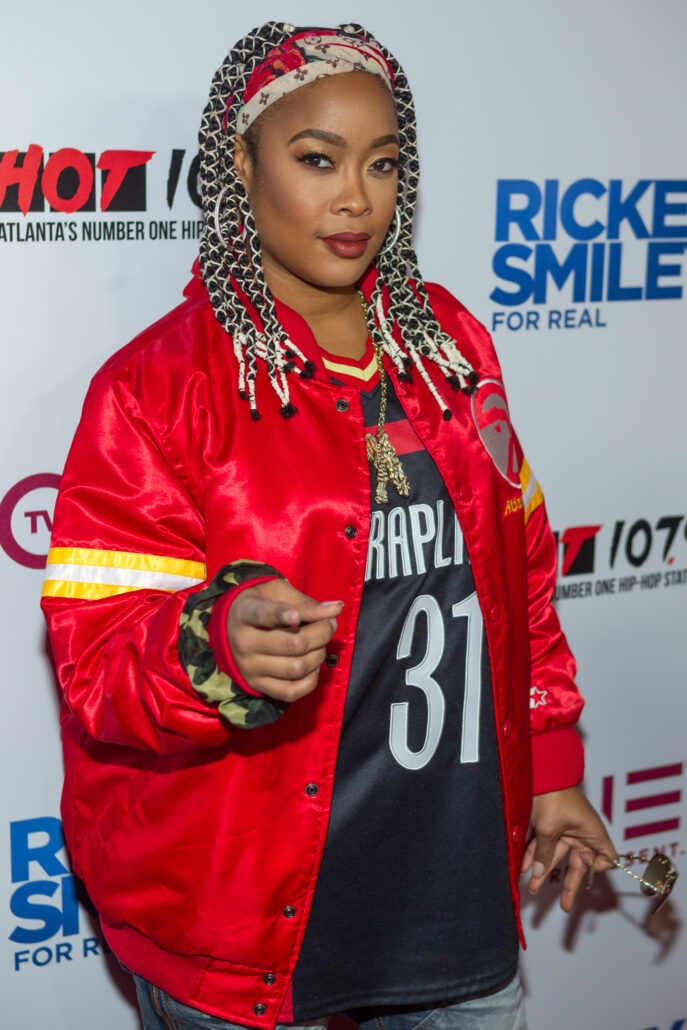
“It was against the rules back in the day for a female artist,” Da Brat later reflected. “Remember, Ellen DeGeneres lost everything back in the day. You could either choose that or your career.”
For years, she wore a thick coat of armor, choosing silence while the public and the media speculated about her sexuality. That weight finally lifted when she met hair care entrepreneur and CEO Jesseca “Judy” Dupart in 2017. Falling deeply in love altered Da Brat’s perspective entirely. By 2019, while attending Essence Fest, she realized she no longer cared about the invisible boundaries dictated by the music industry; she simply wanted to hold her partner’s hand in the crowd. In March 2020, Da Brat went “Instagram official” with their relationship, publicly coming out as bisexual in an emotional post that resonated globally. Choosing authenticity brought immense joy and personal peace. The couple married in a lavish ceremony in 2022, documented their life on the WeTV series Brat Loves Judy, and welcomed their son, True Legend, in 2023. By sharing her truth, Da Brat became a vital beacon of queer visibility within Black culture and hip-hop.
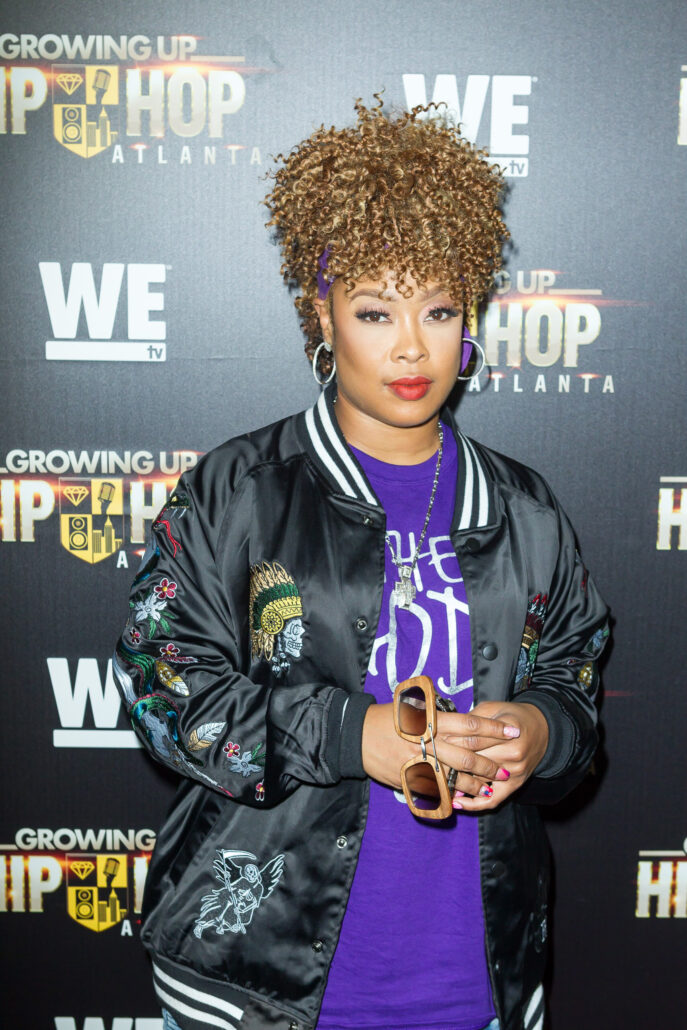
Da Brat’s historic impact is backed by concrete accolades. Her 1994 debut album, Funkdafied, made history by selling over one million copies, earning her the title of the first solo female rapper to achieve a platinum certification. In the same year, she won the Billboard Music Award for #1 Rap Artist. The following year she won the Soul Train Lady of the Soul Award for Best Rap Album (Funkdafied). She also won the Female Hip Hop Honors Award in 2014 for Lyrics for Life. She was nominated twice for a Grammy award – once in 1998 for Best Rap Performance by a Duo or Group (“Not Tonight” Remix) and once in 2004 for Best Female Rap Solo Performance (“Got It Poppin'”).
To understand Da Brat’s musical DNA, one must dive into her essential discography:
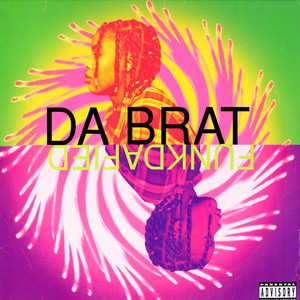
- “Funkdafied” (1994): The historic anthem utilizing a smooth sample of Isley Brothers’ “Between the Sheets.” It hit No. 1 on the Rap charts and No. 6 on the Billboard Hot 100, cementing her signature laid-back yet precise flow.
- “Not Tonight (Remix)” (1997): Collaborating with Lil’ Kim, Missy Elliott, Left Eye, and Angie Martinez for the Nothing to Lose soundtrack, Da Brat delivered a standout verse on this multi-platinum, female-empowerment anthem.
- “What’chu Like” (2000): Featuring Tyrese, this track from her third album Unrestricted showcased a sexier, more versatile side of her artistry while retaining her sharp lyrical edge.
- “Loverboy” (Remix) (2001): Her high-energy guest verse on Mariah Carey’s hit record proved her status as one of pop and R&B’s most reliable, charismatic collaborative weapons.
Da Brat’s legacy is dual-fold. Musically, she paved a direct path for commercial dominance among solo female emcees, proving to record labels that women in Hip-Hop were highly profitable solo acts. From Missy Elliott to modern chart-toppers, the blueprint of balancing commercial success with unapologetic lyrical prowess traces back to her. Culturally, her journey serves as a powerful reminder of resilience. Transitioning from a closely guarded superstar to an openly queer, happily married mother and thriving media personality (on Dish Nation and the Rickey Smiley Morning Show), she embodies the true spirit of Pride. Da Brat showed the world that true success isn’t just about the plaques on the wall—it’s about having the courage to live your life entirely on your own terms.