ERS+’s 25-Year Album Retrospective On Neo-Soul King, D’Angelo
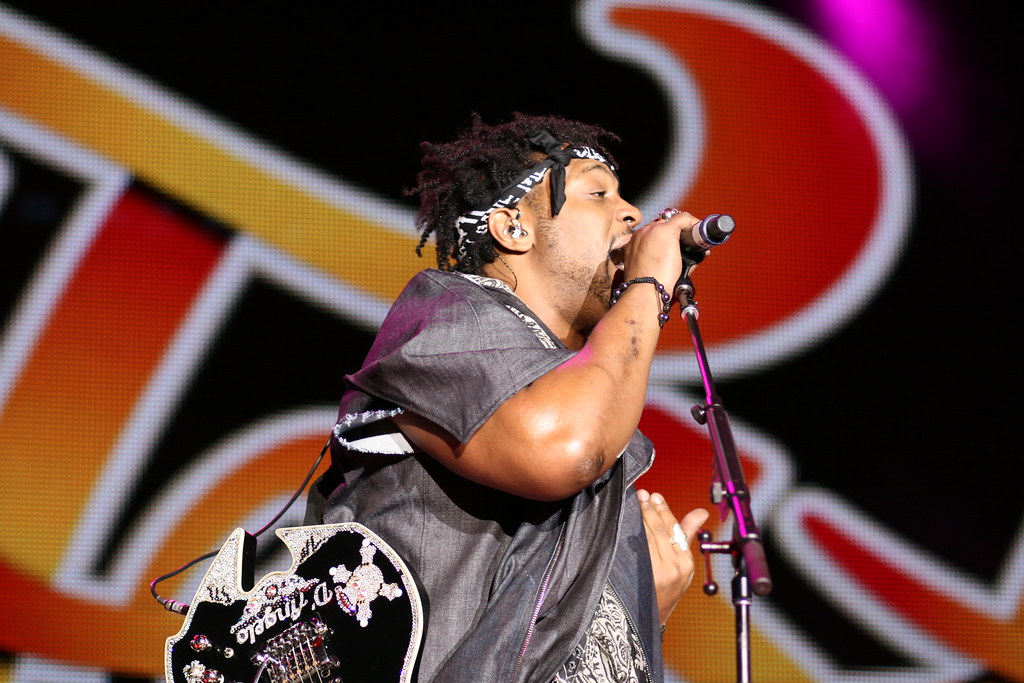
On October 14th, 2025, the world lost a monumental figure in modern music — the man widely regarded as neo-soul’s king and pioneer, D’Angelo. Born Michael Eugene Archer on February 11th, 1974, in Richmond, Virginia, D’Angelo was more than just an American singer, songwriter, musician, and record producer. He was a visionary who redefined the landscape of R&B, soul, and hip-hop through his uncompromising artistry and deep commitment to musical truth. To generations of music lovers, he provided the foundation for what would become the neo-soul movement — a genre that fused the raw emotion of classic soul with the rhythm and edge of contemporary hip-hop.
Raised in a Pentecostal family, D’Angelo’s earliest musical experiences came from the church, where gospel and spirituality shaped his sense of rhythm, harmony, and performance. He was a prodigy who could play piano by ear at a young age, and by his teenage years, he was writing songs that drew from the sacred intensity of gospel but also reflected the struggles and sensuality of everyday life. His list of musical influences reads like a family tree of Black musical excellence: Prince, James Brown, Sly Stone, Al Green, George Clinton, Jimi Hendrix, Fela Kuti, and later, hip-hop’s poetic voices like Tupac Shakur and The Notorious B.I.G. Each of these artists can be heard echoing through D’Angelo’s work — but what made him unique was his ability to absorb those sounds and make them completely his own.
When D’Angelo released his debut album Brown Sugar in 1995, he was only 21 years old. The album was smooth yet daring, fusing vintage soul with modern production, and featuring hits like “Lady” and “Brown Sugar.” The project marked a turning point in R&B, giving rise to what would later be known as neo-soul — a sound carried forward by artists like Erykah Badu, Lauryn Hill, Maxwell, and Jill Scott. D’Angelo didn’t just make music; he shifted the culture, bringing warmth and depth back into a genre that had begun leaning toward commercial gloss.
But it was his second album, Voodoo, released in 2000, that solidified his place as a musical legend. Recorded at the now-famous Electric Lady Studios — originally built by Jimi Hendrix — Voodoo was the product of experimentation, community, and raw creativity. Alongside musicians like Questlove, Pino Palladino, and James Poyser, D’Angelo helped craft a record that defied convention. With its deep grooves, unpolished textures, and jazz-inspired looseness, Voodoo sounded like nothing else at the time. It became a turning point in modern Black music, redefining the sound and soul of an entire generation.
Upon release, Voodoo debuted at #1 on the Billboard 200, selling over 300,000 copies in its first week and holding strong on the charts for thirty-three consecutive weeks. The album earned D’Angelo one of his two Grammy Awards, winning Best R&B Album in 2001. The project’s third single, “Untitled (How Does It Feel),” earned him another Grammy for Best Male R&B Vocal Performance — and remains one of the most unforgettable songs in modern soul. The accompanying music video, directed by Paul Hunter, stirred controversy and fascination alike. Shot as a single take of D’Angelo’s naked torso, the video was praised for its sensual minimalism and “pure sexuality,” according to Billboard. It turned him overnight into a reluctant sex symbol, something he later admitted took a toll on his mental and emotional health.
Feeling “objectified” and disconnected from the purity of his art, D’Angelo withdrew from the public eye for 14 years. That silence became almost mythical — fans and fellow artists speculated about his absence, while his influence quietly continued to shape the music world. When he finally returned in 2014 with his third studio album, Black Messiah, it was not just a comeback but a cultural moment. The album addressed issues of love, faith, race, and resistance, proving that D’Angelo’s voice was still a necessary force in the conversation about Black identity and freedom.
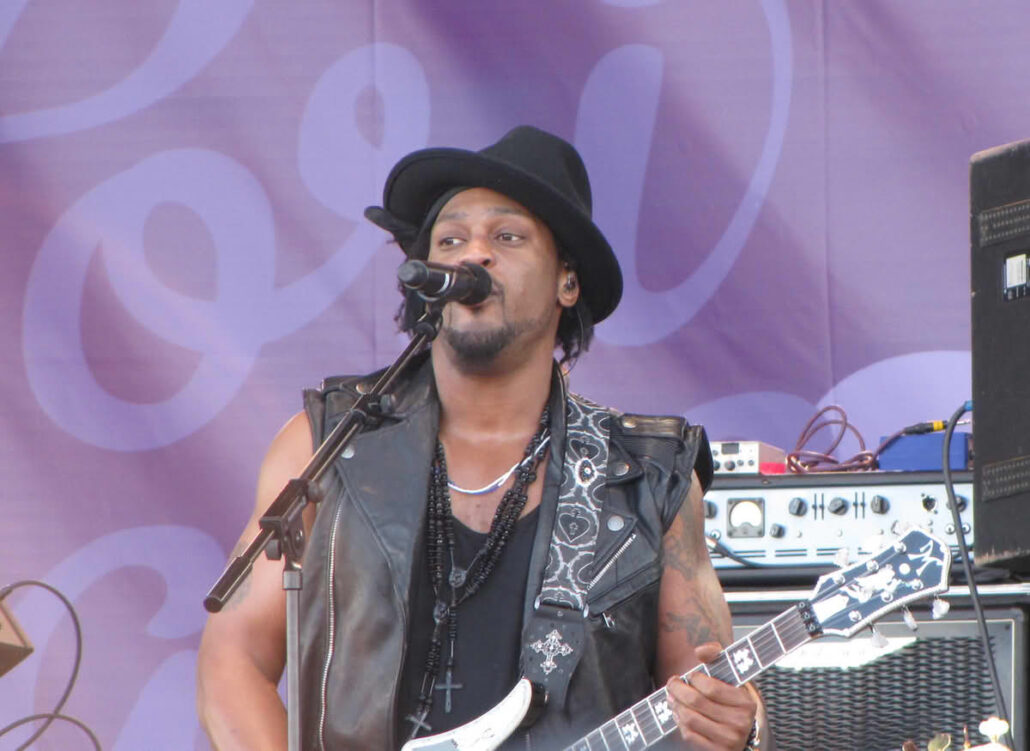
Even today, D’Angelo’s music stands as a timeless reflection of authenticity and vulnerability. From Brown Sugar to Voodoo to Black Messiah, his sound continues to inspire some of today’s most respected and innovative artists — including Frank Ocean, Alicia Keys, Solange, The Roots, Anderson .Paak, and John Mayer. Musicians and producers still cite his sense of groove, his fearless imperfections, and his commitment to feeling over polish as guiding principles in their own work.
To many, D’Angelo was not just reinventing a sound, but a feeling — one of honesty, rebellion, spirituality, and intimacy. His music blurred the lines between sacred and sensual, between the stage and the altar. Through his art, he gave listeners permission to feel deeply and to embrace both strength and softness.
In losing D’Angelo, we lose not only a singular musician but a movement — a bridge between past and future, church and street, body and soul. His legacy lives on in every artist who dares to make music that feels human.
Rest in power, D’Angelo. The soul of a generation will forever echo your song.
Urban Coordinator Allie’s recommended song: Devil’s Pie
“D’Angelo’s song ‘Devil’s Pie‘ is a powerful song that was deeply influenced by DJ Premier’s soulful, experimental, and hip-hop production style. This is an absolute favorite because it showcases D’Angelo’s strong ability to blend funk, soul, hip-hop, into a timeless piece.”
Urban Coordinator James’ recommended song: Untitled (How Does It Feel)
“‘Untitled (How Does It Feel)‘ is a song that D’Angelo and Raphael Saadiq wrote together as an homage to Prince. Although it has a sexual vibe about being intimate and fully present with your partner, it speaks to the strength of black male sensuality, sensitivity, and being vulnerable.”