Black History on the PLUS Side: Roberta Flack
Roberta Flack’s background as a singer songwriter is unmatched.
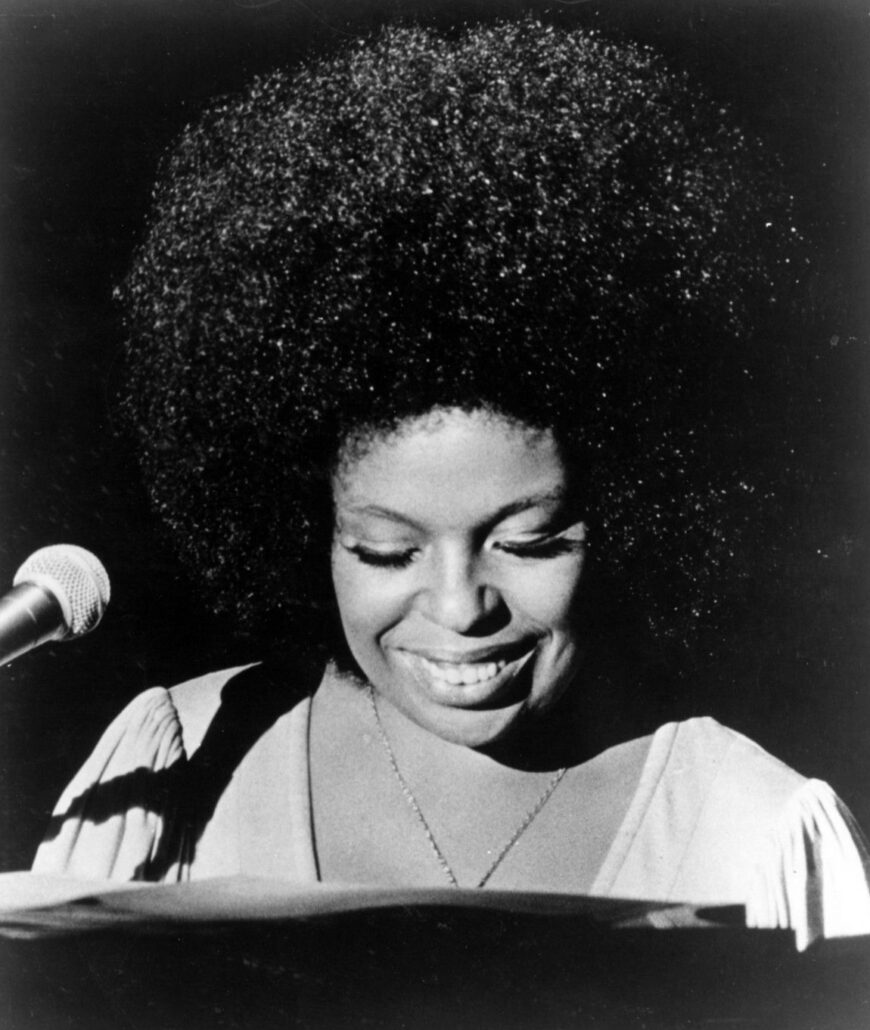
She inherited a rich musical heritage from her parents; her mother was a church organist and her father was a jazz pianist. Roberta gained early musical experience accompanying her family’s church congregation in North Carolina. At the young age of 15, she attended Howard University on a scholarship as one of the school’s youngest students, eventually graduating at age 19. It was at Howard where she met another legendary singer-composer, Donny Hathaway, in 1964. Before her rise to stardom, she worked as a student teacher and pursued graduate studies.
As a recording artist, Flack was a major contributor to the foundation of the “Quiet Storm” radio format. The years 1973 and 1974 marked the pinnacle of her career, as she became the first artist to win back-to-back Grammy Awards for Record of the Year for “The First Time Ever I Saw Your Face” and “Killing Me Softly.” Duets were a specialty for Flack; she found immense success first with Donny Hathaway and later with Peabo Bryson.
Of special note, legendary singer-songwriter Luther Vandross was once a background singer in her band. Flack famously encouraged a reluctant Vandross to leave the background and embark on his solo career. Today, she is recognized as a Grammy Lifetime Achievement Award winner.
Connection to Hip Hop
The first time I remember hearing a Hip Hop song connected to Roberta Flack, it wasn’t the Fugees’ iconic remake of “Killing Me Softly.” It was actually rapper Biz Markie’s “Spring Again,” released on his 1989 sophomore album, The Biz Never Sleeps.
Roberta Flack, who passed away on February 24, 2025, produced the song “Back Together Again” for her 1980 album, Roberta Flack Featuring Donny Hathaway. The track was co-written by James Mtume and Reggie Lucas, both members of Flack’s backing band. The song featured Roberta in a different light—as an R&B/Funk-Pop vocalist—a departure from the softer, intimate style heard on “The Closer I Get to You.”
Flack’s music truly embodies the phrase “smooth with the roughness.” Eventually, her lyrics and instrumentation worked their way into the ears of Hip Hop producers. Below are a few examples of how her influence continues to “kill audiences softly” yet powerfully.
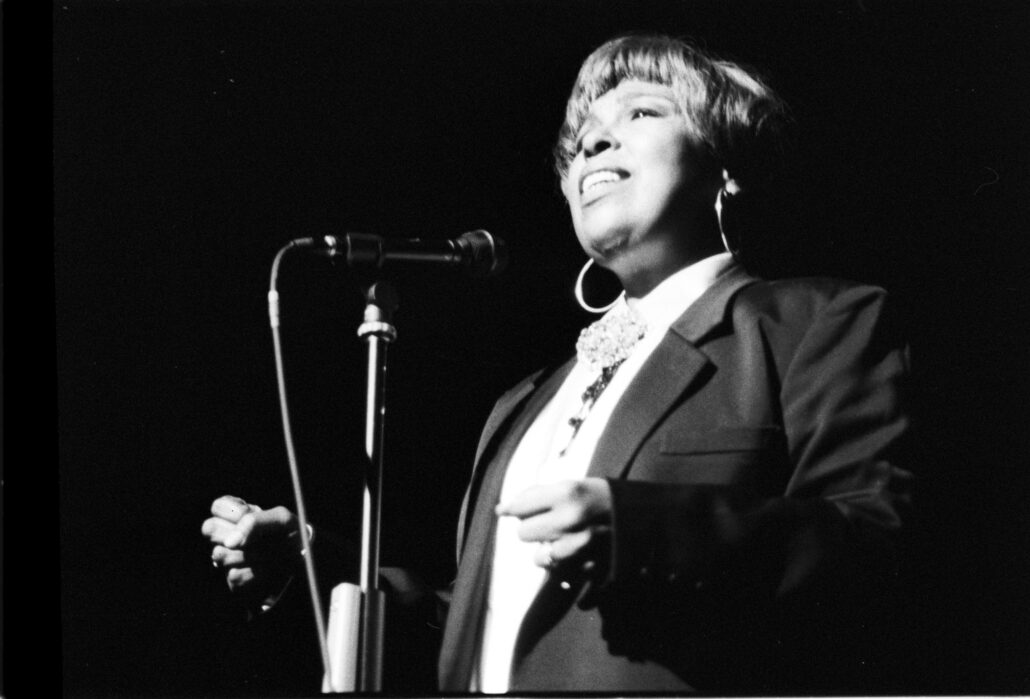
Killing Me Softly,
“Killing Me Softly” – Covered by the Fugees From their 1996 album The Score, this New Jersey group turned a Quiet Storm ballad into a certified Hip Hop anthem. Lauryn Hill’s crisp a cappella opening leads into Flack’s signature bridge: “Strumming my pain with his fingers… singing my life with his words.” The track transitions from a ballad into a 90s Boom Bap classic through the clever use of a guitar sample from A Tribe Called Quest’s “Bonita Applebum.” With minimal basslines and vocal inserts from Wyclef and Pras, the song builds into an infectious, universal “La La” chorus that defines a generation.
Listen to it here.
Spring Again
Sampled by Biz Markie. This ultimate ‘life springs eternal’ and childhood memories reminisce track, opens with Biz Markie’s DJ Cut Master Cool V cutting “Spring Again” – Sampled by Biz Markie This ultimate “life springs eternal” track opens with DJ Cut Master Cool V scratching Third World’s “Now That We Found Love.” The song’s driver is a loop from Flack and Hathaway’s funk classic, “Back Together Again.” Biz Markie paints a vivid picture of the winter thaw, reminiscing about Easter, family outings to Coney Island, and dressing up in childhood suits. For the chorus, Biz jumps into a cover of Lou Rawls’ 1977 classic “Spring Again.” The track remains a Golden Era staple
Listen to it here.
On My Block,
“On My Block” – Sampled by Scarface Former Geto Boys member Scarface launched a solo career that reached a high point with “On My Block” from his 2002 album The Fix. The song opens with Roberta Flack’s isolated piano riff from “Be Real Black for Me” (1972). The loop bounces seamlessly into a swinging sample fitted with a crisp bass and snare. Scarface, a master storyteller, paints a picture of growing up hard yet unified. The song was a poignant homage to Black neighborhood culture, showing reverence and pride. Scarface’s lyric, “We made the impossible look easy,” provided an undeniable sense of uplift for underrepresented communities everywhere.
Listen to it here.
Salute to Roberta Flack a true music virtuoso of the highest caliber. This writer is certain her legendary music will continue to be appreciated for decades in the future.